SF : Alignment Problems in AI Governance
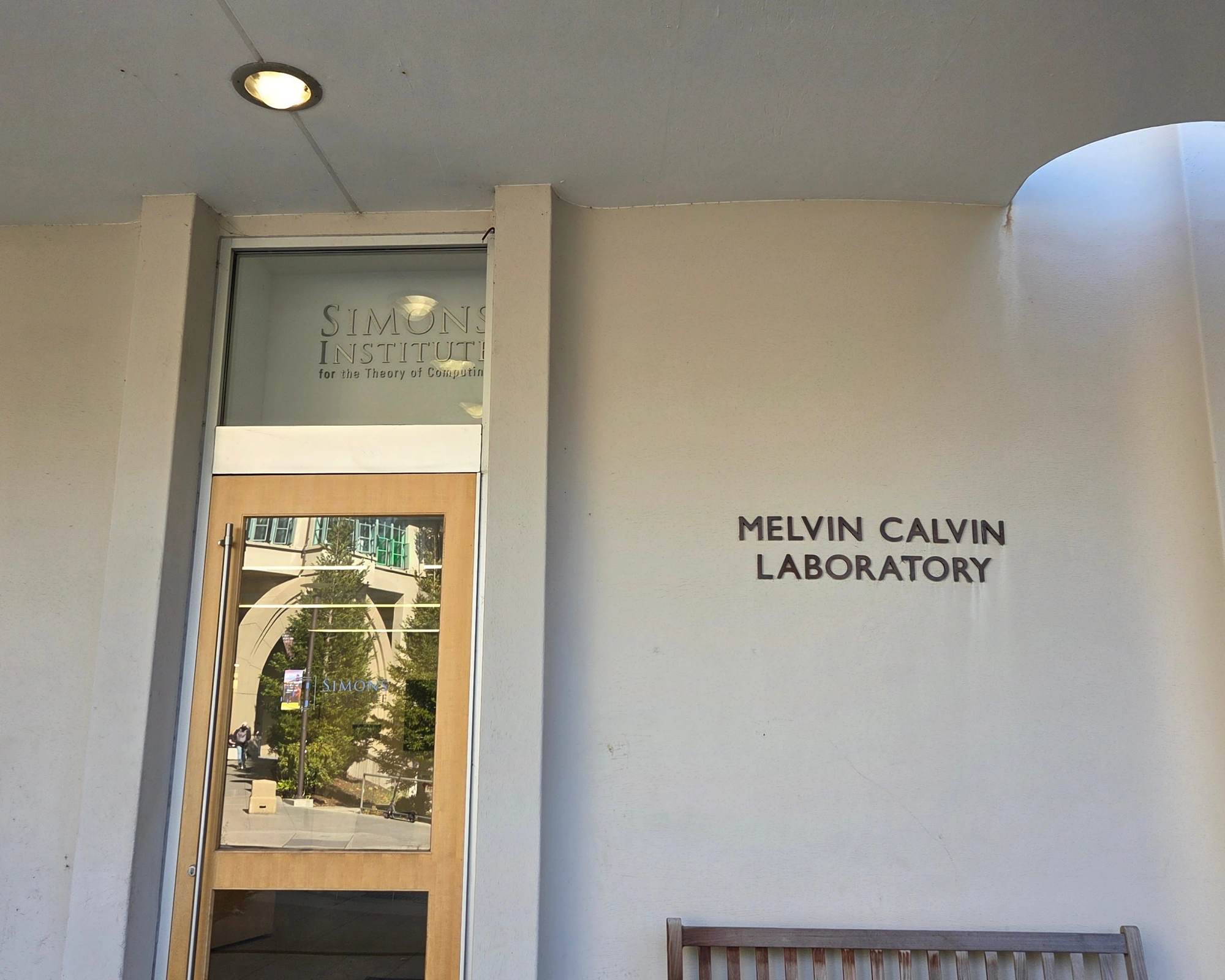
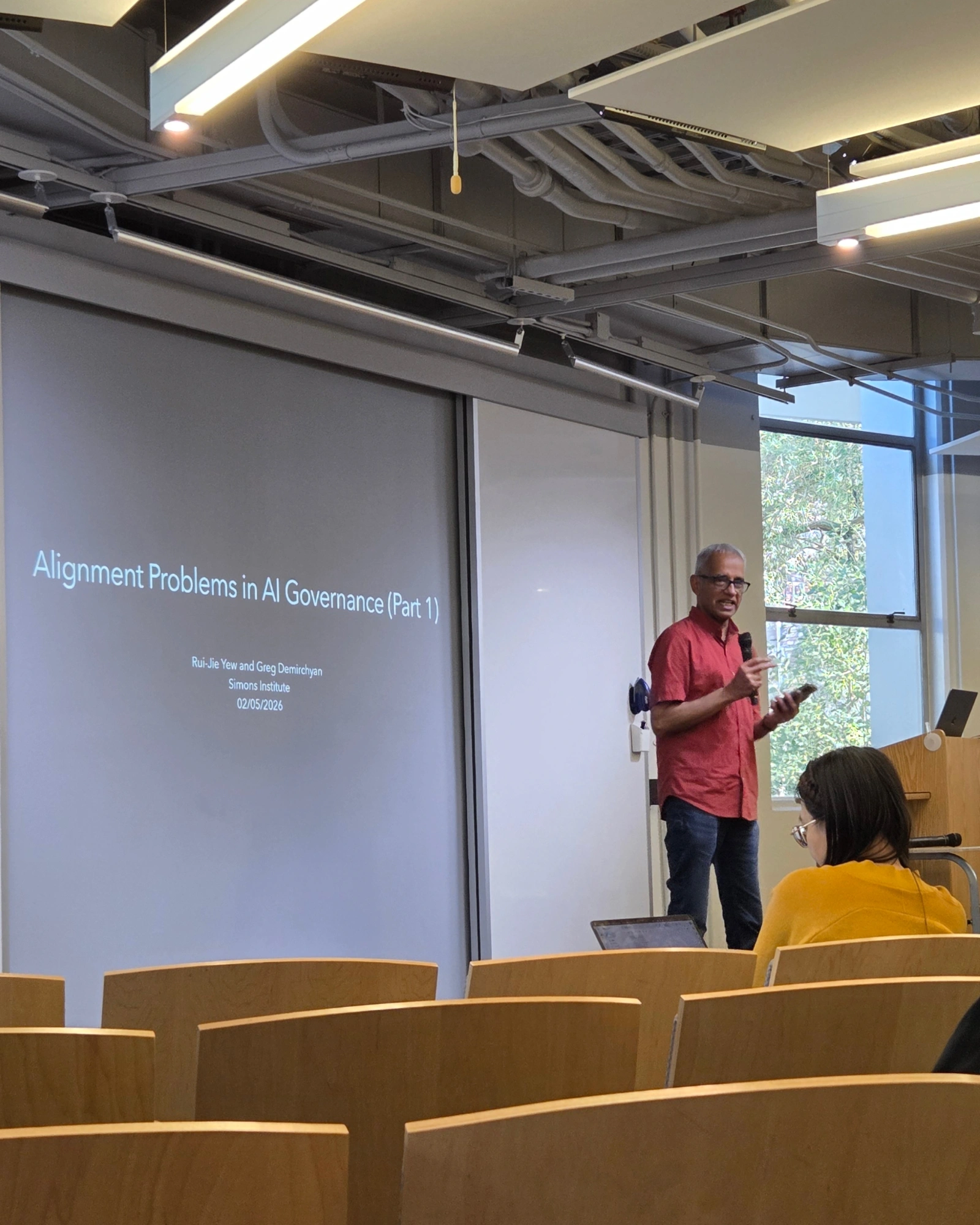
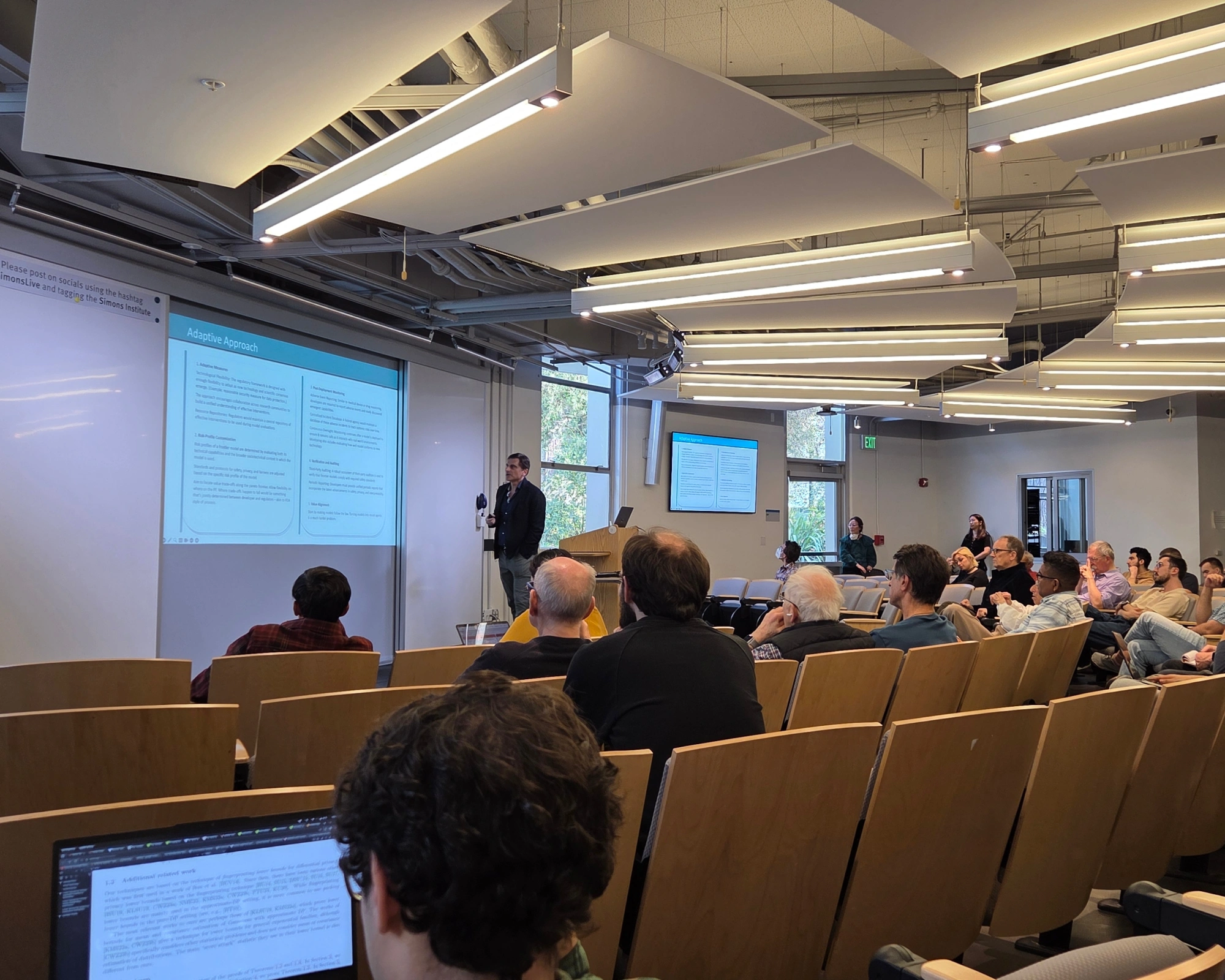
Spent the early afternoon at the Simons Institute for the Theory of Computing, in the Calvin Lab auditorium at Berkeley, for Rui-Jie Yew and Greg Demirchyan's talk on alignment in AI governance. Both are Spring 2026 Law and Society Fellows. Yew is a Brown computer science PhD affiliated with the Center for Technological Responsibility, with prior work at NIST, Sony AI, and Google. Demirchyan is the CEO of Fairlogic, holds a JD and a Cornell PhD in moral and political philosophy, and advises companies on AI governance and responsible AI. Two threads I came away with. First, the auditing tools we currently rely on are not yet reliable enough to give real assurances about model behavior, which means many regulatory proposals are running ahead of the underlying science. Even when an explanation looks compelling, establishing its faithfulness at scale is genuinely hard. Second, the safety tooling we already lean on, including privacy preserving methods and evaluations, quietly shapes the terms of regulation itself, sometimes in misalignment with what regulation is trying to achieve. Their case for governance designs that adapt as our understanding improves was the most grounded version of that argument I have heard from a room with both technical and legal training in it. The dialogue format helped, since you watched the lawyer and the computer scientist push on each other's framings in real time. Worth sitting with afterwards.